Climate risk is the potential harm to human or natural systems resulting from exposure to weather events and changing weather patterns. Climate models show us that climate risk has already increased in many places and will continue to grow around the world as the global climate changes. One way to manage growing climate risk is through climate adaptation, the process of strengthening our systems against climate risks on local, regional, and global scales.
With sufficient resources and guidance, individuals, organizations, and governments can use climate adaptation approaches to reduce bad outcomes and preserve the things we care about. Key adaptation approaches for managing climate risk include reducing vulnerability and exposure to risk, transferring risk, and tolerating risk.
Reducing vulnerability
Vulnerability is how likely we or Earth’s natural systems are to be harmed by a type of climate risk occurring. It can depend on resilience, health, income, social support, and experience dealing with a particular risk. The less prepared we are, the more vulnerable we are.
Reducing our vulnerability to climate risks limits future damage. Strategies for reducing our vulnerability include engineered and nature-based approaches and behavioral change.
Engineered approaches
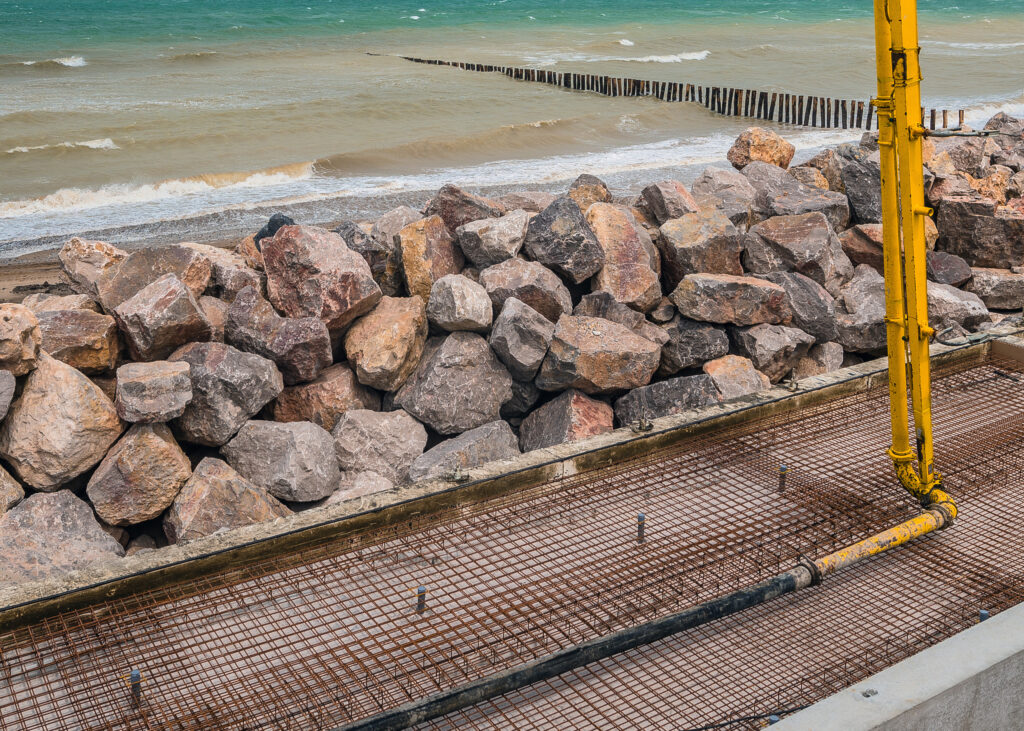
Engineered approaches are modifications or fortifications of our environment against climate risks before they occur. For example, metal roofs can reduce vulnerability to specific risks like wildfires because they are not as combustible as other roofing materials. On a larger scale, constructing city-scale seawalls, levees, or flood barriers might protect entire cities from a certain amount of coastal flooding.
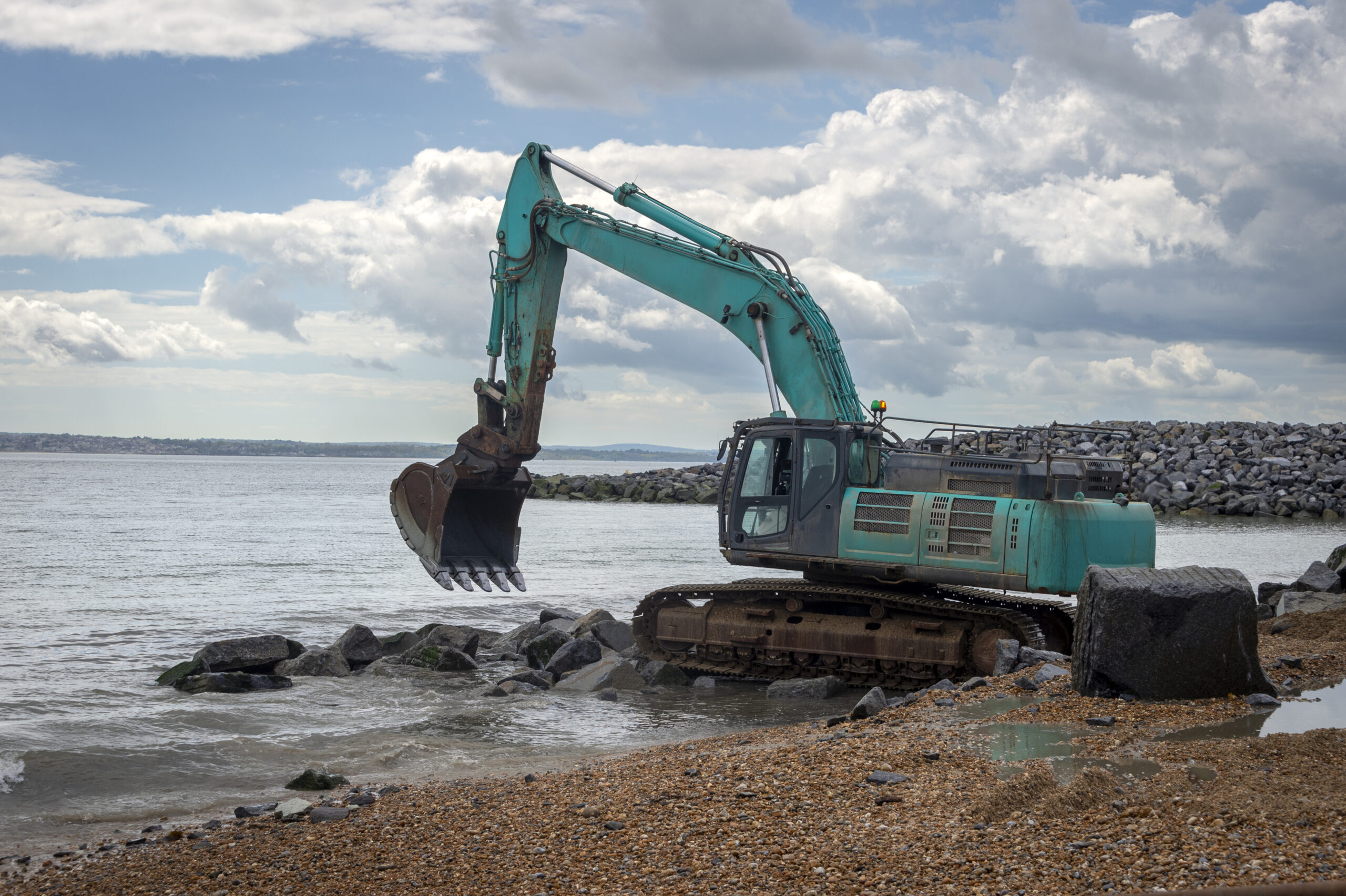
Engineered approaches can also protect natural systems. For example, hardened or constructed shorelines can use breakwaters or rock sills to soften waves and reduce erosion, helping protect marshes, reefs, and other coastal ecosystems from sea-level rise and storms.
Nature-based approaches
Nature-based approaches describe investments in ecological systems to reduce vulnerability to climate risk, like restoring wetlands to better absorb storm surges and coastal flooding or planting trees to minimize wind, heat, and erosion on a farm. Communities, governments, organizations, and individuals can coordinate and implement nature-based solutions of varying scales.
Behavioral approaches
Behavioral approaches adjustments people make in order to be less vulnerable to a climate risk when it occurs. The adjustments can be simple or complex, and can happen at the level of individuals, workplaces, or whole communities. For example, during a heat wave you can start wearing light, breathable clothing and checking in on neighbors to make sure they have ways to stay cool and hydrated, protecting yourself and others from heatstroke.
Companies and governments can also organize programs to protect employees and citizens by encouraging certain behaviors, like mandating rest and hydration breaks or creating public education campaigns around safety during heat waves.
Reducing exposure
Exposure is how often, how long, and how directly we are in harm’s way from a climate risk. Reducing exposure limits damage. You can reduce exposure by getting out of a risky area before a dangerous weather event happens (relocation) or changing your activities so you are in high-risk situations less often (adjusting behavior).
Relocation approaches
When people, communities, or businesses relocate to avoid exposure to a climate risk, it can protect them from damage but it can also be costly both financially and emotionally. Relocating can be voluntary or involuntary and short-term, seasonal, or permanent.
Voluntary
People might choose to move away or move their business or assets to avoid climate risk. Sometimes, governments or communities help organize voluntary relocation, for example, a structured voluntary relocation program, such as property buyouts or managed retreat, that makes it more attractive for residents to leave risky areas.
Involuntary
People might be forced to move if an extreme weather event prompts evacuation. Involuntary relocation is often something an individual or community is unprepared for, and might result in long-term displacement or housing insecurity.
Short-term
People might move temporarily to reduce their exposure to climate risk. For example, an individual might leave home to shelter in emergency housing or a friend or family’s house to avoid temporary weather events, such as a hurricane, wildfire, or heat wave. In some cases, a particularly damaging weather event can turn what was meant to be a short stay elsewhere into a much longer stretch away from home, lasting months or even years.
Seasonal
People may live part of the year in a different place than their primary residence to reduce their exposure to local climate risks during certain times of the year. This is usually voluntary and requires maintaining multiple residences. For example, someone might leave during the season when temperatures regularly reach levels that increase the risk of heat illness.
Permanent
Some relocation is permanent: Whether voluntarily or involuntarily, people, communities, or businesses may move and never return to the same place. For example a business might move its operations farther inland to reduce exposure to sea-level rise or chronic flooding. Or, an individual displaced by a natural disaster does not return home and permanently settles in a new location.
Behavioral approaches
There are many ways that adjusting your behavior can reduce exposure to climate risk. Some kinds of behavior change can be done individually and at little or no personal financial cost, while others require government or organizational coordination and funding.
A person in a tropical climate zone might shift their daily routines to avoid the hottest times of the day, reducing their exposure to heat stroke. That person may even need to make a major, difficult shift and change their livelihoods, if that job is too risky. People can also change their behavior in smaller ways, like limiting outdoor activity when air quality is poor due to wildfires, or postponing nonessential travel during heavy storms to reduce their exposure to the dangerous road conditions created by flooding.
Transferring risk
Risk transfer is a financial strategy that lowers the cost of rebuilding and recovery after climate-related damage by transferring that cost to another person or company. While risk transfer can help lighten an expense, it doesn’t actually limit or prevent damage like reducing vulnerability and exposure might.
Property insurance is a well-known form of risk transfer, but there are entire industries built around risk transfer. Here are some of the common risk transfer approaches:
- Property insurance. Property insurance lightens an individual’s personal responsibility for climate risk-related damage by transferring the risk to an insurer. When a covered loss occurs, the insurer pays for repairs or replacement, since they hold the risk.
- Reinsurance. Reinsurance is insurance for insurers, allowing insurance companies to transfer their own risk. Reinsurance spreads the costs of big losses out across companies, so that no single insurer collapses after a massive weather event occurs.
- Catastrophe bonds. Catastrophe bonds allow governments to pool disaster costs with global investors. If the climate risk does not occur, the investors make money. If it does, the investor’s money goes towards recovery.
Tolerating risk
If a person or community chooses not to manage a climate risk, the only approach left is to tolerate that risk by accepting potential physical, cultural, ecological, or financial damages.
For example, some people might choose to live in a place with high wildfire risk and accept the cost of losing their possessions and rebuilding their home if it burns down, rather than reduce their exposure by relocating.
Reducing climate hazards
A climate hazard is dangerous weather or a climate-related event, such as a heat wave, flood, drought, or hurricane. In some cases, we can manage climate risk by reducing how often events occur in a place, how intense they are, or how easily small events turn into big disasters.
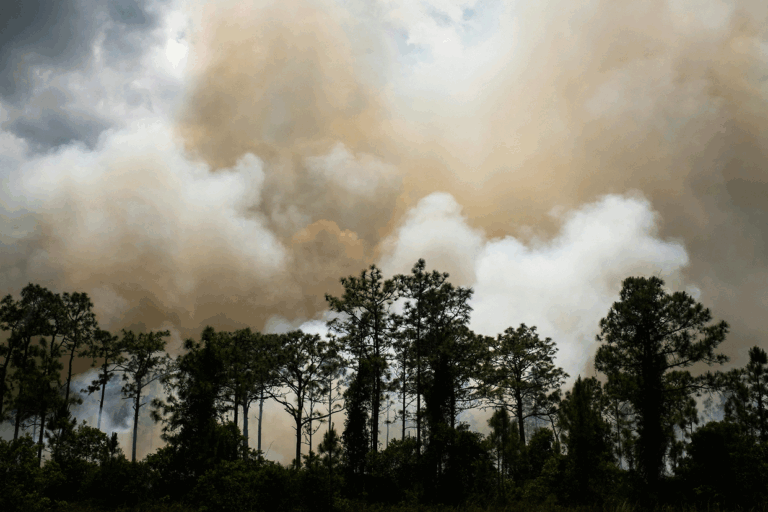
For example, although hot dry conditions contribute to increased wildfire risk, we can sometimes prevent fires by avoiding opportunities for accidental ignition, like campfires, or suppress fires through firefighting response before they become disastrous. In other cases, like heat or a storm, we have very little control over whether or not the climate hazard occurs. Because all climate risks are different, adaptation approaches should be tailored for the specific risk and the specific situation.
Climate mitigation and climate adaptation
Reducing and eliminating greenhouse gas emissions through climate mitigation can prevent potential future climate risks, but there are also near term risks that we cannot avoid. Managing these risks through climate adaptation can help us reduce vulnerability and exposure and limit damage.