London, England, and Quebec City, Canada sit at roughly the same latitude (51°N and 47°N, respectively) but have vastly different climates. Historically, Quebec City had 99 freezing days in an average year—weather you might expect from its relative proximity to the Arctic—but London only experienced three freezing days in an average year, despite being slightly further north. This difference is largely due to an ocean current called the Atlantic Meridional Overturning Circulation (AMOC), which distributes warmth from the Tropics via the Atlantic Ocean.
Now, impacts from climate change are weakening the AMOC, and it could collapse entirely in the near future. AMOC collapse would rapidly make regions of the Northern Hemisphere with historically mild weather colder and harsher, while triggering irreversible changes in the global climate.
The AMOC is both the product of a stable climate and a factor in maintaining weather patterns around the planet. To plan for future scenarios, we need to first understand how the AMOC works and what might happen if it collapses.
What is the AMOC?
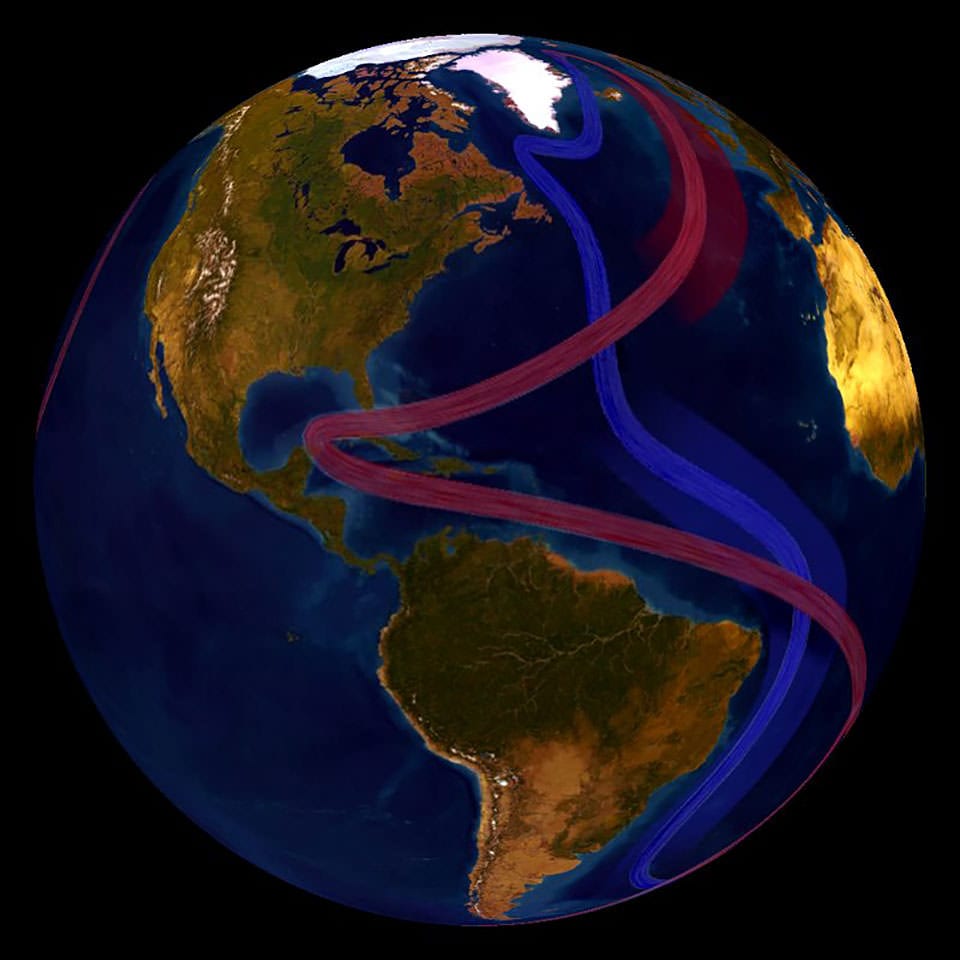
The AMOC is a powerful ocean current in the Atlantic Ocean that works like a conveyor belt, moving warm water from the Equator and Tropics into the Northern Hemisphere and returning cold water to the Southern Hemisphere. As the warm water moves north, it releases heat to the air above it and the land nearby.
How does the AMOC work?
The engine powering the AMOC is a push-and-pull mechanism in the Atlantic Ocean: The push is powered by winds from the South, and the pull is powered by the sinking of cold, salty, dense water in the North.
The rotation of Earth causes winds that push warm water north from the Tropics. As the water moves north, it evaporates, becoming saltier and colder, and therefore denser. By the time it reaches the Arctic, it is cold, dense, and heavy, sinking to the ocean floor and creating a difference in pressure similar to a vacuum. This vacuum continues to pull the AMOC north. After sinking, the cold water flows south again, and the circulation repeats as southern winds cause upwelling to bring the current to the surface once more.
How does the AMOC shape regional climates?
The cumulative effect of the AMOC’s northward heat transport is one of the reasons that the Northern Hemisphere is 1.4°C warmer on average than the Southern Hemisphere. Places such as London along the AMOC’s northward path are substantially warmer than they would be if the current stopped circulating.
The AMOC also influences the Intertropical Convergence Zone (ITCZ), a shifting belt of precipitation also called the Tropical Rainfall Belt. The AMOC’s warmth influences the position of the ITCZ around the world, shaping Monsoons from Africa to South Asia.
By moving heat and precipitation, the AMOC shapes the climate of regions around the world:
- Europe. Because Europe sits so close to the northward path of the AMOC, its climate is more directly affected than any other place in the Northern Hemisphere. The AMOC helps to warm and regulate the European climate, keeping the band of daily and seasonal temperatures narrow and rainfall regular.
- North America. The AMOC helps warm the East Coast of North America, particularly the Northeast of the U.S.. The gravitational pull of the AMOC also lowers sea levels along the U.S. East Coast.
- Tropics & South America. The AMOC pulls the ITCZ north, leading to more rainfall across the Northern Tropics, including in the Caribbean and northern South America.
- Africa. The AMOC’s influence on the ITCZ contributes warm air and precipitation to the West African Monsoon, from which the Sahel receives nearly all of its rainfall.
- Asia. The AMOC’s influence on the ITCZ also fuels monsoon systems across Asia, like the Indian Summer Monsoon, the East Asian Summer Monsoon, and the South Asian Monsoon.
How is the AMOC changing?
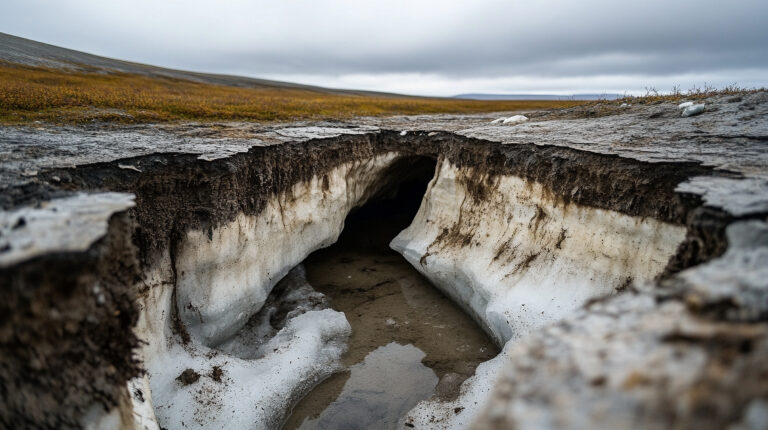
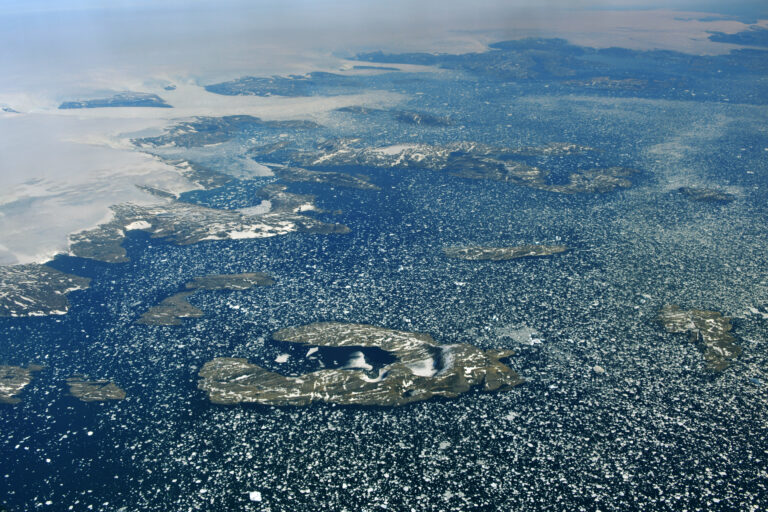
Global average temperatures are increasing, causing Arctic sea ice, including the Greenland Ice Sheet, to melt and dispense freshwater at the place where the AMOC normally sinks and creates a vacuum. This freshwater is diluting the dense water and weakening the AMOC’s pull.
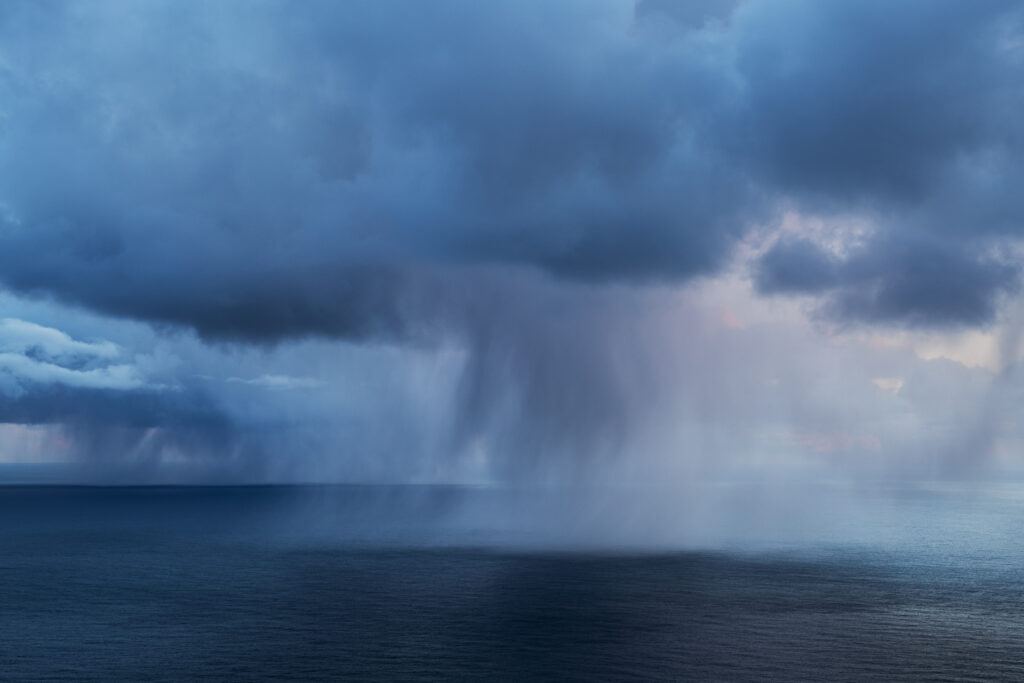
As global temperatures rise, ocean temperatures are also rising, making water warmer and therefore less dense, including in the Atlantic. In addition to these two main drivers of AMOC weakening, a warmer atmosphere also dispenses more precipitation that makes its way into oceans, diluting salty ocean water with freshwater rainfall, also contributing to making it less dense.
Until recently, there was very little data about the strength and movement of the AMOC, but recent research has shed light on its possible weakening. Some recent studies have found that the AMOC has already slowed, perhaps by as much as 15% since the 1950s, while other studies find inconclusive evidence of slowing thus far. A 2026 paper projects that the AMOC could weaken by around 50% by the end of this century. Scientists largely agree that future weakening of the AMOC is very likely, and that the more Earth warms the more likely it becomes.
What are the impacts of a weakened AMOC?
Even minor weakening of the AMOC can significantly impact local climates, as has happened several times in the past 12,000 years. A “Little Ice Age” occurred in Europe in the Middle Ages, likely connected to a disruption in the AMOC. Just a slight slowdown in the AMOC could make Europe colder overall, disrupt global precipitation patterns from South America to India, and worsen drought in Africa.
The more freshwater pours into the ocean, and the more ocean temperatures rise, the weaker the AMOC becomes—until, at some threshold, it could stop moving altogether.
Will the AMOC collapse?
It is possible that the AMOC will collapse entirely if warming continues. There is no agreed-upon global average temperature at which collapse becomes certain, but there are signals we can track and historical examples we can examine to predict the likelihood of collapse.
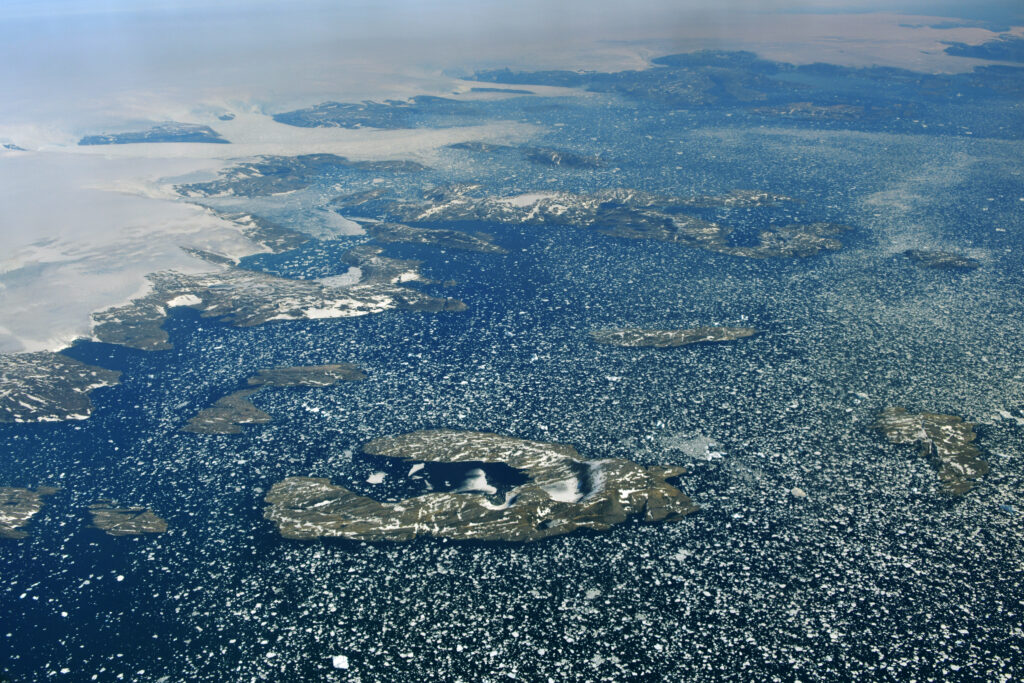
Before AMOC collapse, scientists believe we would see symptoms of weakening heat transport. One symptom scientists are already observing is the formation of what they call the “Cold Blob”— localized cooling South of Greenland, indicating that the AMOC is not transporting heat as usual. Other potential indicators would be a slowdown in the Gulf Stream and the Subpolar Gyre (SPG) circulation system, both ocean currents supported by the AMOC’s heat transport. Studying these precursor events can help scientists estimate how close we might be to AMOC collapse.
The last AMOC collapse occurred at the end of the last ice age, 12,000 years ago, when rapid warming caused a massive ice sheet to melt, flooding the North Atlantic and collapsing the AMOC in a matter of years. While we do know that today’s warming is happening about 10 times faster than the pace of warming that prompted this previous collapse, we don’t know if the amount of freshwater currently melting into the Atlantic is enough to trigger another collapse at the same pace.
What are the impacts of AMOC collapse?
The consequences of total AMOC collapse would be far-reaching, severe, and irreversible on timescales relevant to humans. AMOC collapse would cool parts of the Northern Hemisphere and warm parts of the Southern Hemisphere by multiple degrees Celsius and drastically alter weather around the world.
In Europe, winter temperatures would drop, cold snaps could increase, and winter storms would intensify. A 2025 research letter found that, even if global warming reached 2°C, AMOC collapse would make Europe colder than it is today, creating extreme winters in Northwestern Europe in which record cold might reach -20°C (-4°F) in London and -50°C (-58°F) in Scandinavia. Even milder cold days would increase, with approximately 150 to 180 frost days per year in Utrecht, Netherlands, compared to a historic average of about 53. Precipitation would likely shift and decrease, potentially drying out some parts of Europe and making others wetter.
Around the world, other climates would change, likely in less extreme ways.
- North America. The East Coast of North America would likely experience rapid sea level rise as the gravitational pull of the AMOC weakens, as well as cooler conditions, with some parts of Eastern Canada and the North Atlantic coast cooling by several degrees Celsius, erratic storms, weather variability, and more intense hurricanes.
- Tropics & South America. Without the AMOC, the ITCZ would shift south, potentially leading to drying in the Northern Tropics and parts of the Amazon and wetter conditions in the Southern Tropics.
- Africa. Because of the shift in the ITCZ, West Africa and the Sahel would be much drier, experiencing severe and frequent drought and reduced rainy seasons. The Sahel could possibly transition from a semi-arid climate to hot dry desert.
- Asia. Because of the shift in the ITCZ, weakened and more erratic monsoons in Asia would lead to increased drought and a higher risk of extreme precipitation events.
These changes may occur rapidly, create climate risks, and cause systemic disruption in affected regions. The collapse of the AMOC would also be a tipping point in the global climate, meaning that the changes would likely be difficult, if not impossible, to reverse on human timescales.
AMOC collapse: a tipping point
Once the AMOC passes a critical threshold of weakening, called a tipping point, it would continue to weaken until it collapses. AMOC collapse could also create systemic impacts that activate other tipping points as well as feedback loops that could generate further warming.
For example, if AMOC collapse contributed to changes like a permanent dieback of the Amazon Rainforest or increased ice loss, those changes would generate their own warming effect on Earth’s climate. A 2026 paper suggests that AMOC collapse would result in substantial carbon release from oceans and add around 0.2°C in additional atmospheric warming.
Reducing greenhouse gas emissions may slow warming enough to reduce weakening and delay collapse. If collapse begins, it is unlikely we could stop it. There is no feasible technological way to reengineer ocean currents.
Was this article helpful?
Thank you. Your feedback helps us improve.