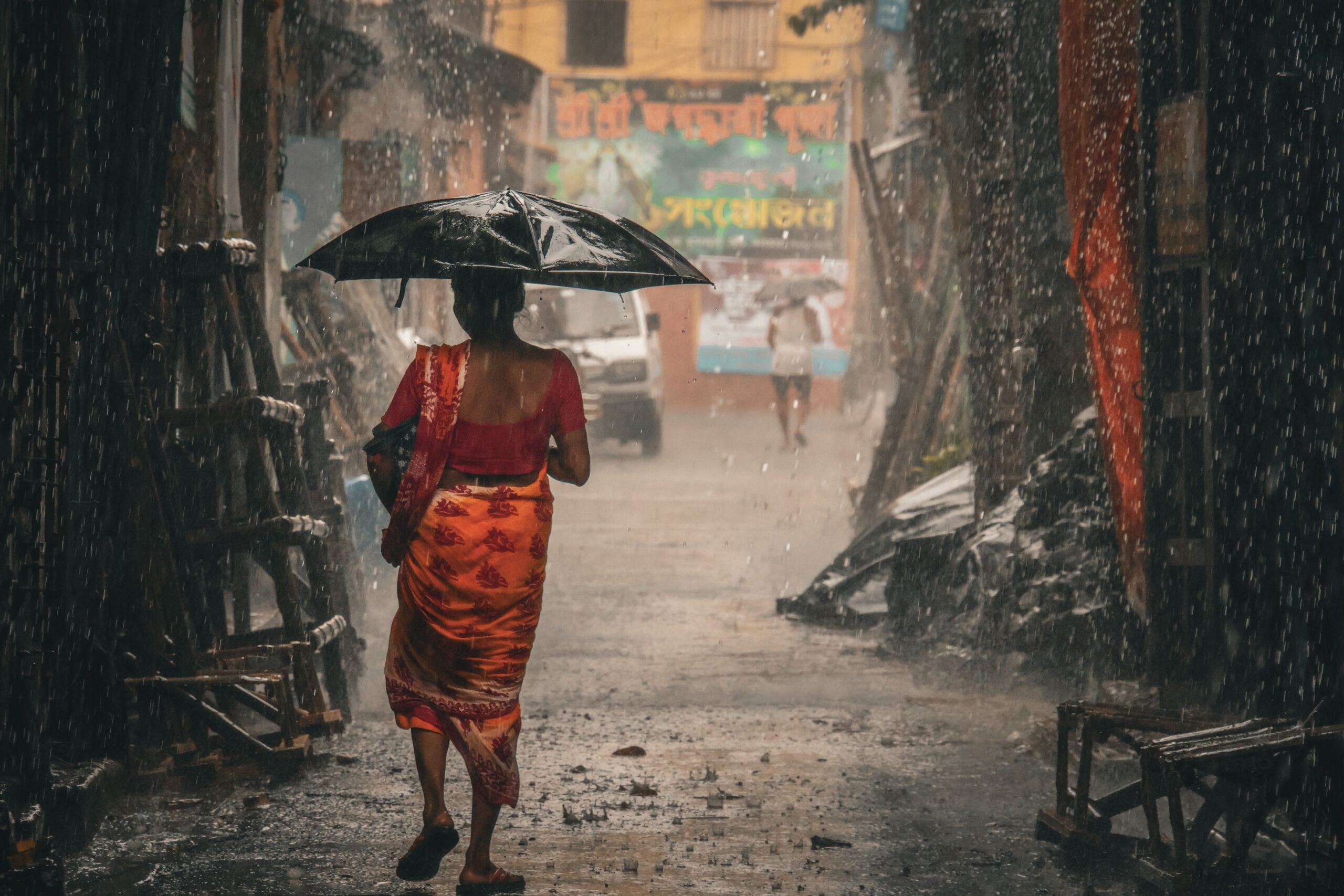
Monsoons are often associated with heavy seasonal rains, but they are actually powerful winds that bring both heavy, continuous rains and contrasting dry seasons.
Although intense, monsoons have historically followed reliable seasonal patterns that allow farmers, traders, and residents to plan and anticipate. An unstable climate could disrupt and potentially even collapse certain monsoons, leading to severe water shortages, crop failures, and cascading economic and humanitarian crises.
What is a monsoon?
A monsoon is a seasonal reversal in wind direction caused by temperature differences between large land masses and the nearby oceans. Monsoon winds blow from cold to warm areas, resulting in distinct rainy and dry seasons. Wind direction changes as the seasonal temperature difference between land masses and ocean waters shifts.
During fall and winter in monsoon regions, land temperatures are typically cooler than ocean temperatures, so winds blow from land to water, producing a dry season. In spring and summer, land temperatures are typically warmer than ocean temperatures, so winds blow from water to land, bringing moist air that condenses and falls as rain or snow over land. In South Asia, for example, moist air blows from the Bay of Bengal and Arabian Sea towards India. In West Africa, moist air travels inland from the Atlantic Ocean into the Sahel, a semi-arid region south of the Sahara Desert.
Predictable seasonal differences in ocean and land temperatures, along with established water and air circulation patterns, allow monsoons to produce a reliable annual wet phase during which people irrigate crops, fill drinking water reservoirs, get relief from extreme heat, and generate hydroelectric power. These rains sustain staple crops such as cotton, soybeans, and rice. The wet season’s duration varies by region but usually lasts between two and six months.
Both the dry and wet phases of a monsoon can be extreme. For example, India has historically received 75 to 85% of its total annual precipitation during the monsoon season, according to August 2026 data. The dry season historically features long stretches of hot weather with little to no precipitation, during which soil and water reservoirs dry out.
Where do monsoons occur?
Monsoons occur most frequently in tropical and subtropical regions, but can develop in other regions where strong seasonal differences between land and ocean temperatures cause prevailing winds to reverse directions. At higher latitudes, the ocean and land are closer in temperature, so the wind reversal required for a monsoon to develop rarely happens.
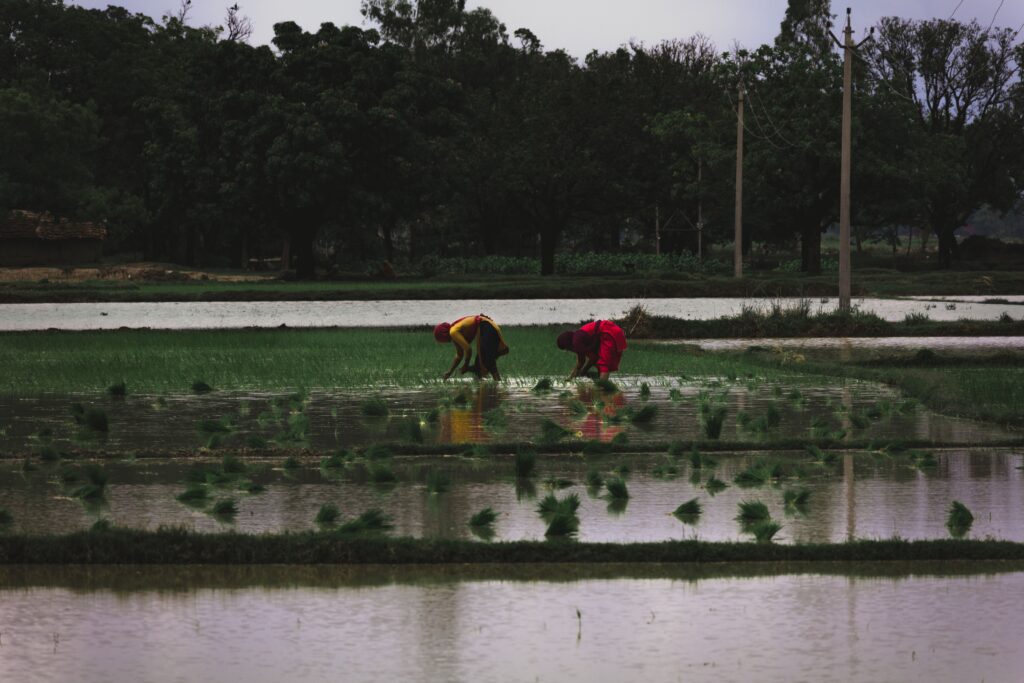
Conditions in Asia create some of the strongest monsoon systems on Earth, including the South Asian (Indian) Monsoon and the East Asian Monsoon, which each affect food and water availability for hundreds of millions of people.
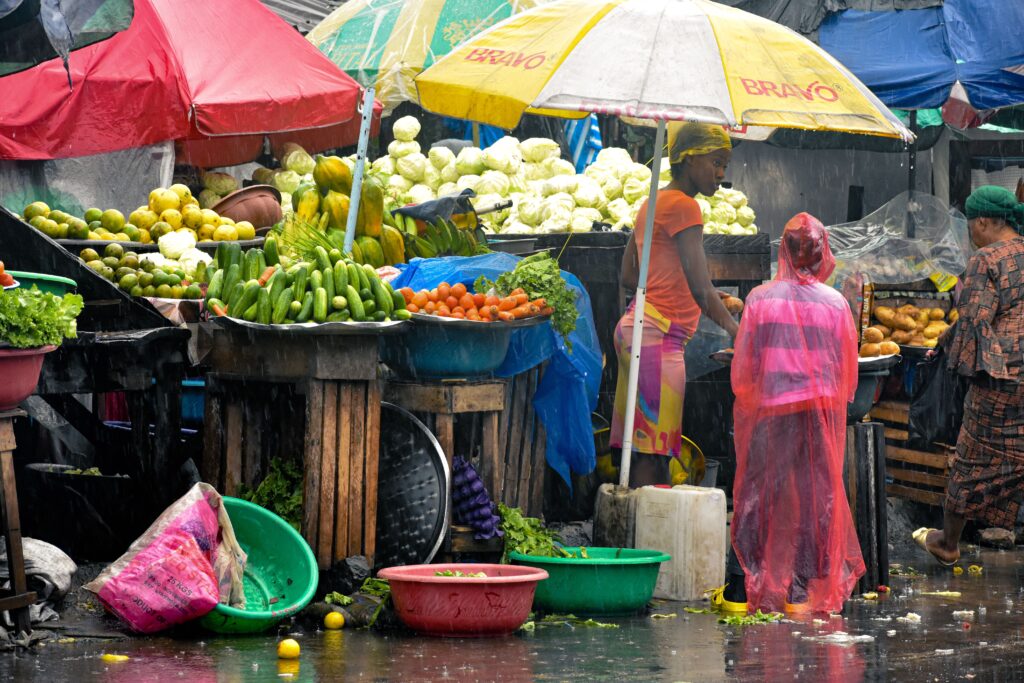
Africa also experiences a regular monsoon. The Sahel, home to more than 80 million people, receives nearly all its rainfall from the West African Monsoon.
How climate change impacts monsoons
Climate change affects air and water currents, altering where rain falls, potentially delaying the onset of monsoon wet seasons, shortening or extending dry seasons, and causing rainfall to become erratic in both timing and quantity. As global temperatures rise, the land-ocean temperature contrast that drives monsoon circulation weakens, reducing the ability of monsoon winds to transport moisture.
A 2025 study published in Journal of Climate projects that by the time global average temperature reaches 3°C above preindustrial levels, monsoons would become about 10% weaker. As of 2026, monsoon behavior has already become less predictable, with shifts in seasonal timing, periods of extreme rainfall, and intense drought, and it is likely to become more erratic as the planet warms further. Here are some other likely outcomes:
- Heavier rainfall. A warmer atmosphere can hold more water, leading to a 5 to 7% increase in monsoon precipitation amount when that water is released. Heavy rainfall can cause flash floods, landslides, strong winds, and lightning, all of which can be life-threatening.
- Longer droughts. Because a warmer atmosphere holds more moisture, climate change can create longer periods of drought between monsoon rains. Longer dry periods dry out the soil, making it harder for rain to penetrate the soil when it finally falls.
- Higher wet-bulb temperatures. Warm, humid air brought inland by monsoon winds increases the risk of wet-bulb temperatures as global average temperatures rise. Wet-bulb temperatures can be dangerous to human health, as the body cannot cool itself in high humidity, making it hard to work, play, or commute outside or in a non-climate-controlled space.
As of fall 2026, many monsoon regions have experienced increasingly erratic monsoon behavior because of climate change, including increased precipitation during storms, longer dry spells between rainfall, and changes in the frequency, intensity, and distribution of monsoon weather systems.
Monsoon stability and the AMOC
The Atlantic Meridional Overturning Circulation (AMOC) directly affects monsoon strength and predictability by influencing the Intertropical Convergence Zone (ITCZ), a shifting belt of precipitation also known as the Tropical Rainfall Belt. As global temperatures rise, the AMOC is weakening, which could eventually shift the ITCZ outside its normal range, altering where monsoon moisture appears, disrupting global wind patterns, redistributing ocean heat, and thereby nudging monsoon systems outside their stable ranges.
If the AMOC were to weaken to the point of collapse, changes in the ITCZ would likely make West Africa and the Sahel much drier, with severe, frequent droughts and shorter rainy seasons. Eventually, the Sahel could transition from a semi-arid climate to a hot, dry desert.
In Asia, AMOC collapse would likely lead to longer periods of drought preceding instances of extreme precipitation.
We don’t know when precisely AMOC could collapse, but as we reach higher degrees of warming, some signals of a weakening AMOC are already becoming visible. The faster we limit and stop greenhouse gas emissions, the better our odds of preserving AMOC and keeping monsoons predictable.
Was this article helpful?
Thank you. Your feedback helps us improve.